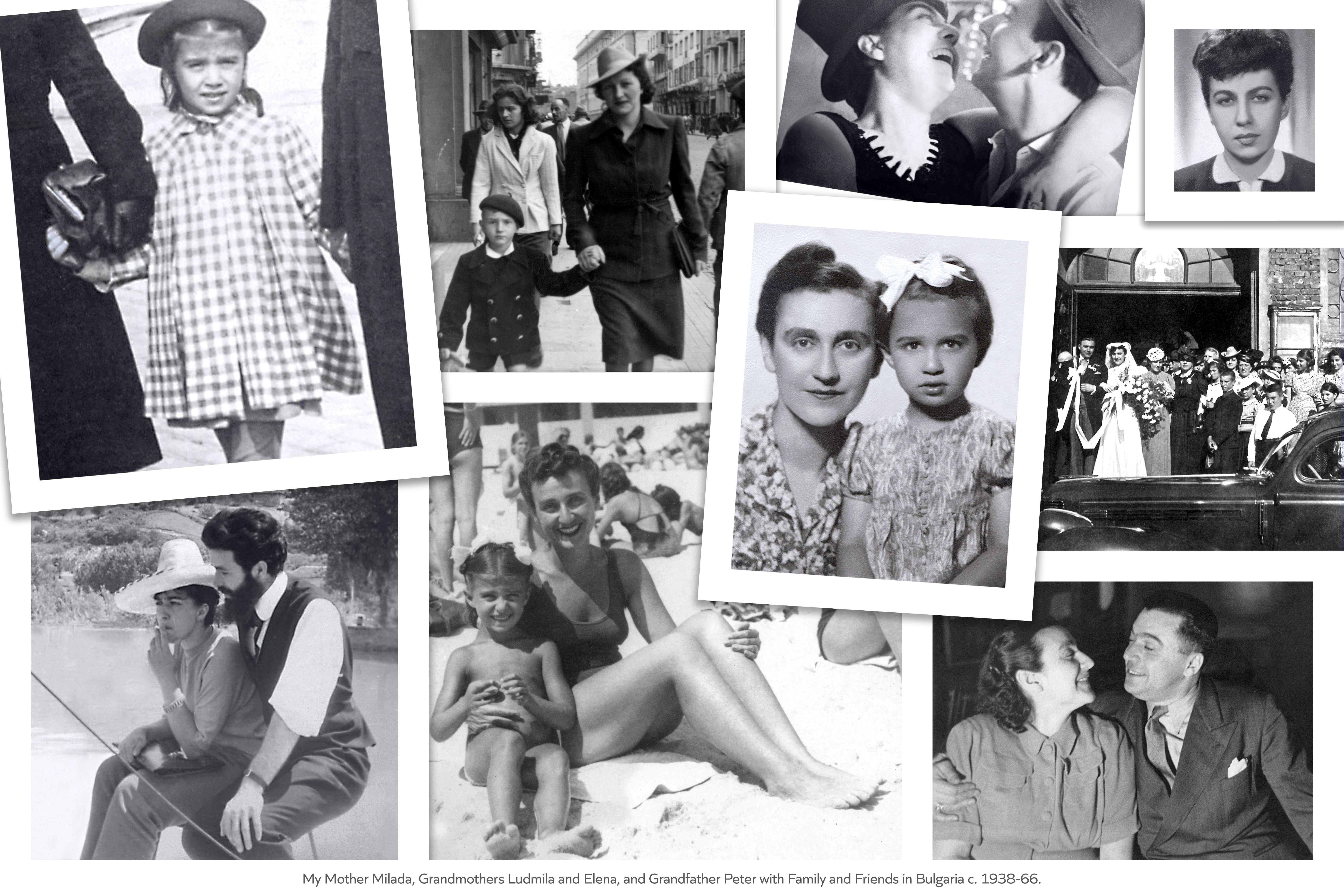
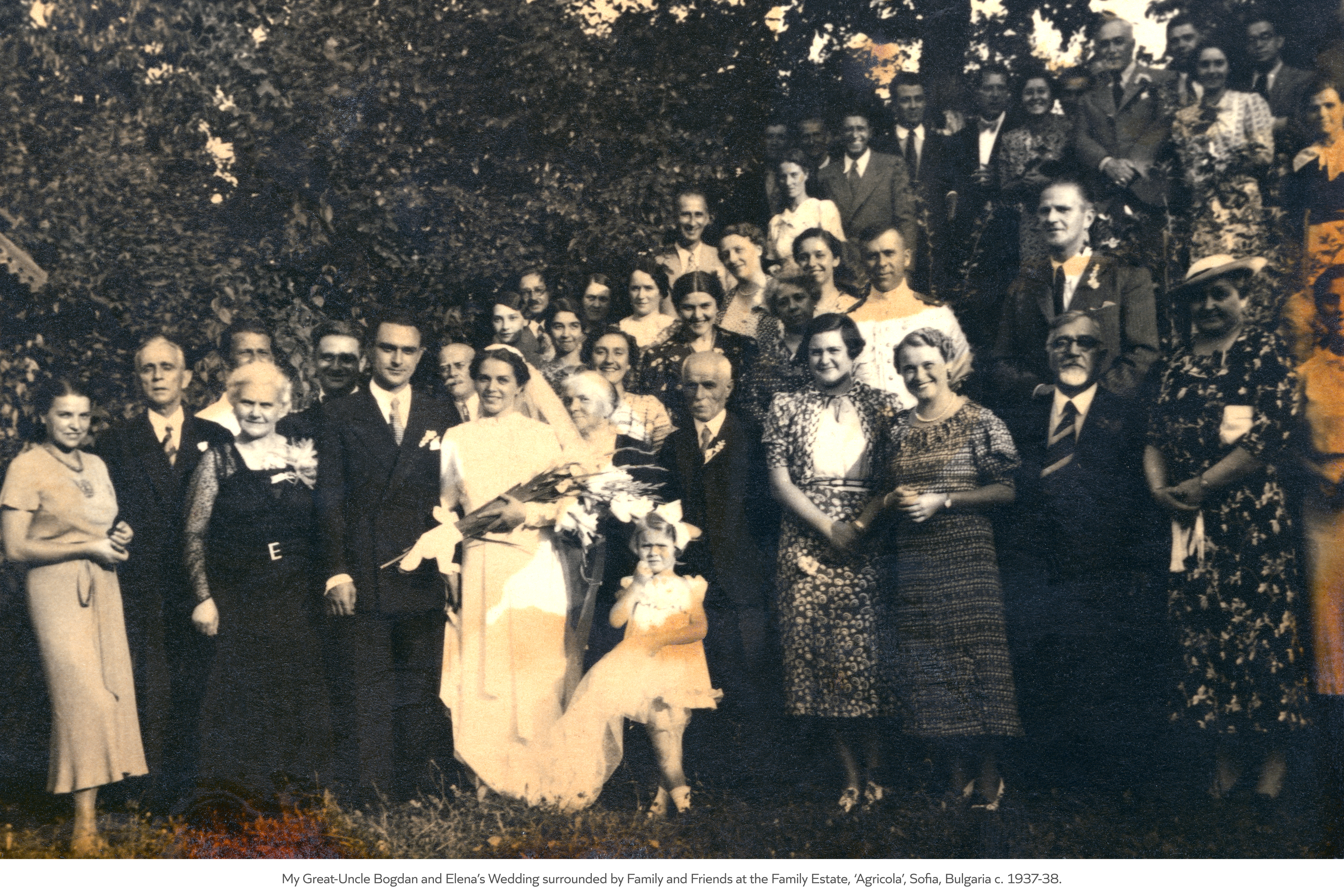
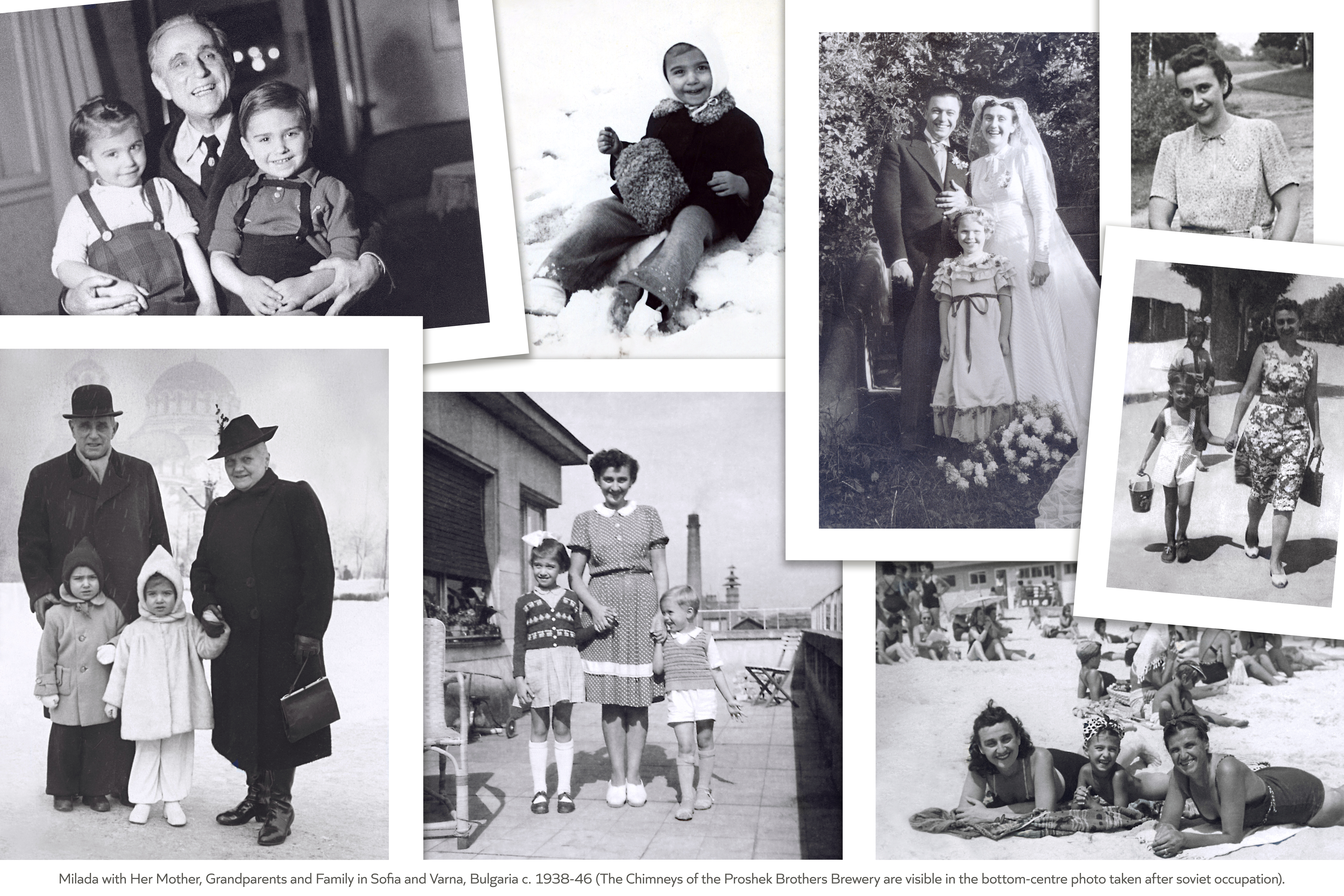
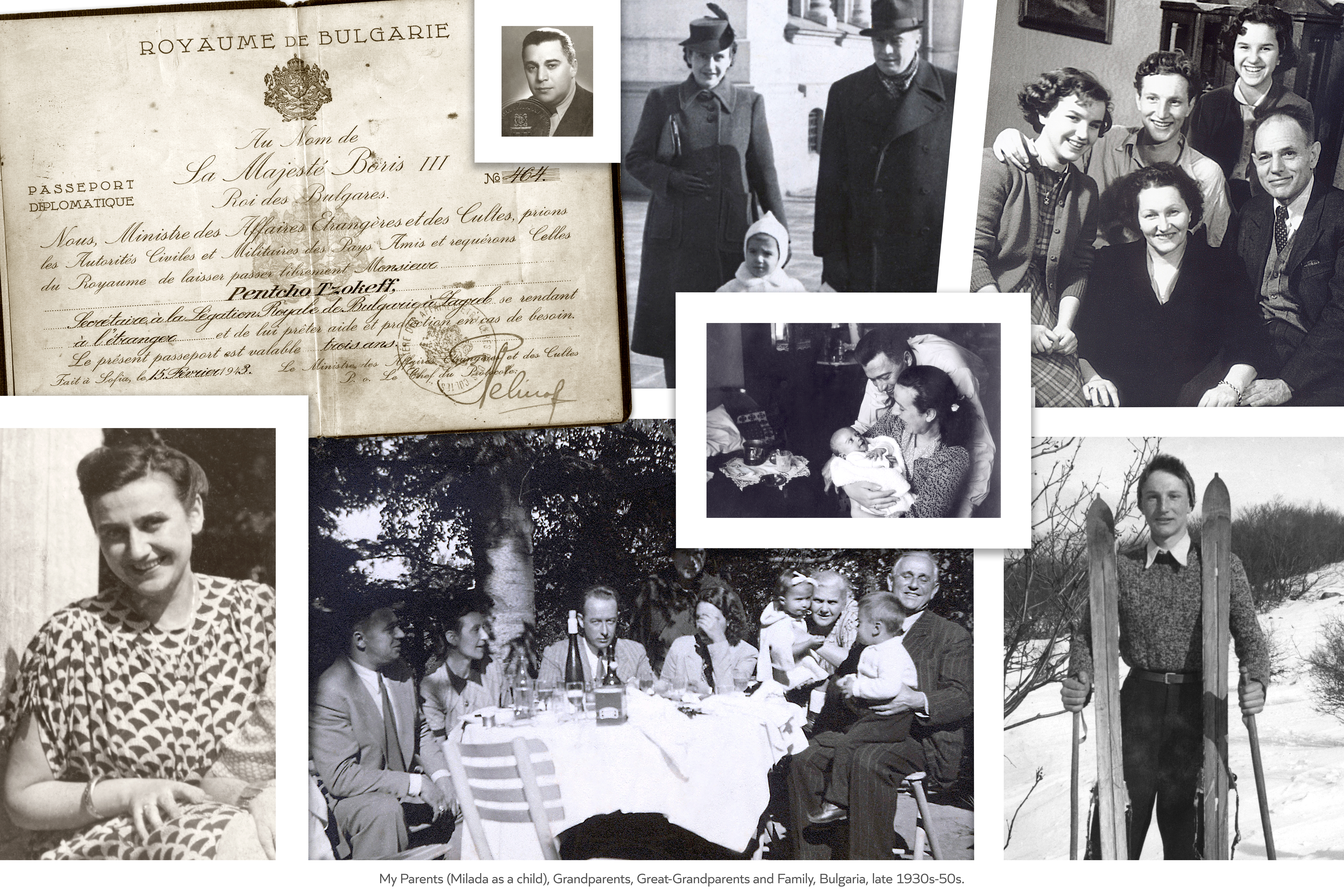
My mother's life was an unwritten book, extraordinary, brilliant, a miraculous journey of love and survival. Milada had an unbreakable spirit, a fire within her that burned warm and bright, and a smile I will remember forever. She had a way of saying the right words at the right time, always real, sincere, passionate and on the mark with their honesty — and this is why her stories stayed with me.
It was 1940 and the beginning of the second world war when Milada's story began. She grew up in a society of extended families and close-knit circles of friends whose intertwined destinies would play their role in navigating the turmoil of what was to come. Milada's father was stationed in Zagreb with Bulgaria's Royal Diplomatic Mission for Tsar Boris III and returning home after soviet occupation in 1944 was unthinkable. My mother remained in Sofia with the rest of her family and no one expected the events that unfolded next.
I recall my mother's words clearly. She told me how the first prime minister of the soviet regime that came to power in Bulgaria had come to speak to her grandfather and told him, 'Brother Stefan, we don't touch the patriots. On the next day they came and nationalised everything.' Forced nationalisation of all commercial, business and private property began in 1947. Key members of the family and their families were exiled to rural towns and villages, some were sent to labour camps and others faced a worse fate. My mother, her brother and my grandmother remained in Sofia and were relocated from their home next to the brewery in San Stefano Street to a different house which was partitioned to accommodate another family. 'They gave the bathroom to the other family. We had to go to the public baths to bathe.', my mother told me.
Stores were filled with an abundance of goods imported from Europe, in particular Germany, and were only available to communist party members. 'They painted the windows white so you couldn't see inside.', my mother would say. On the street corner, someone would sell you a portion of butter and if you were lucky some bread to last you more than a day. The queues were long and you had to wait — this reality was 'for the people'. Electricity supply to residential neighbourhoods was rationed and the regime would turn off the power at different times during the day and night depending on where you lived. But the power was always on for communist officials and their families. Bulgaria's entire industry was repurposed for producing and supplying goods and services to the soviet union.
They installed their officials in our homes, some of whom remained there permanently and others were positioned as informants. The regime dictated the size of the home and the people allowed to live there. They would look for a weak link, a family member, a neighbour or friend who was willing or able to be coerced into spying. Information was collected and reported on every citizen and those who sympathised with America or The West were labelled as 'traitors to the people'. Around the capital city of Sofia, a perimeter with checkpoints was established and you could only enter and exit if you possessed a 'red card'. Along the nation's border, patrols were set up near villages where local residents were recruited to watch and inform security of anyone attempting to escape. Bulgaria was shut down from the rest of the world and the civil liberties and freedoms that people enjoyed and took for granted disappeared overnight. The iron curtin had fallen.
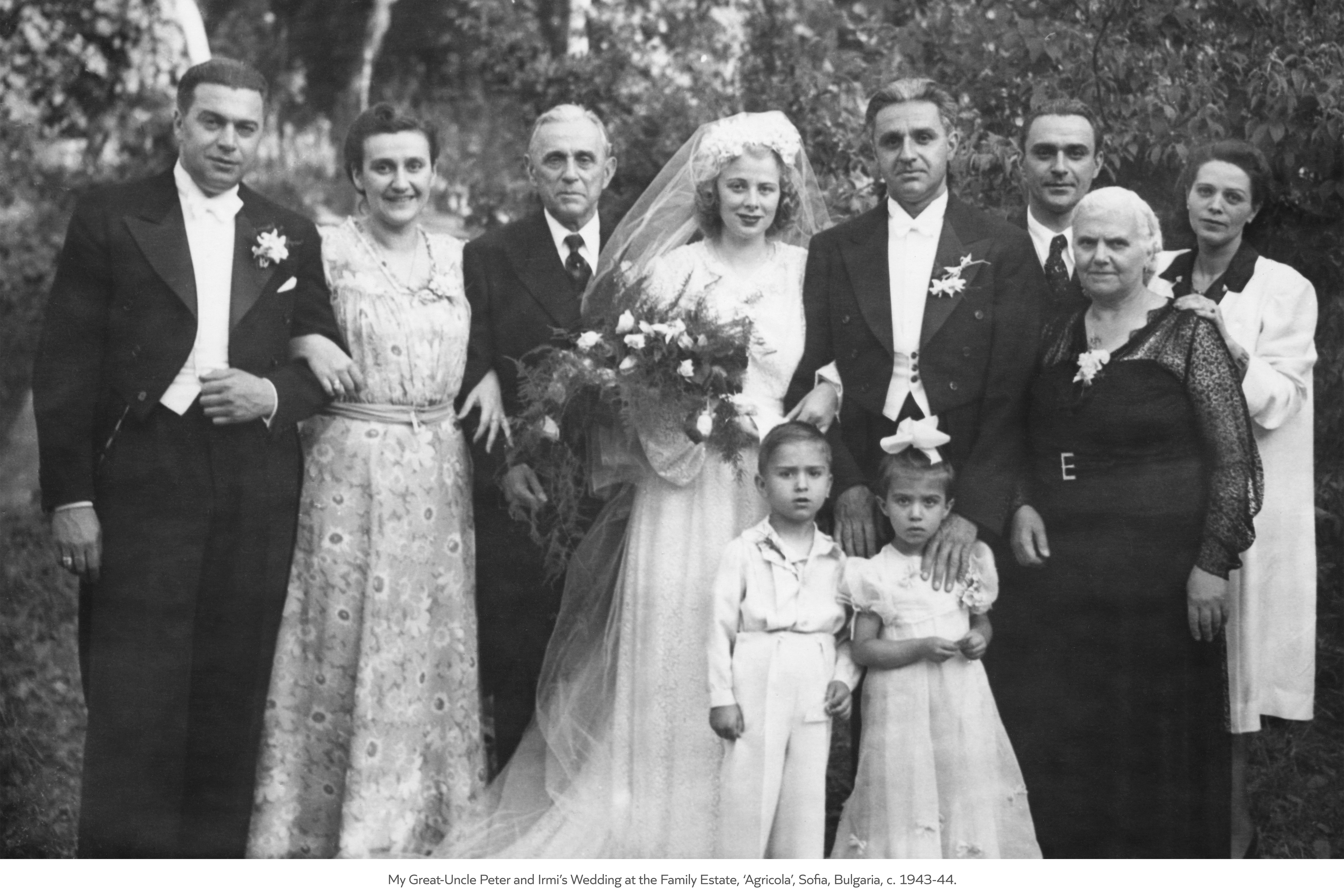
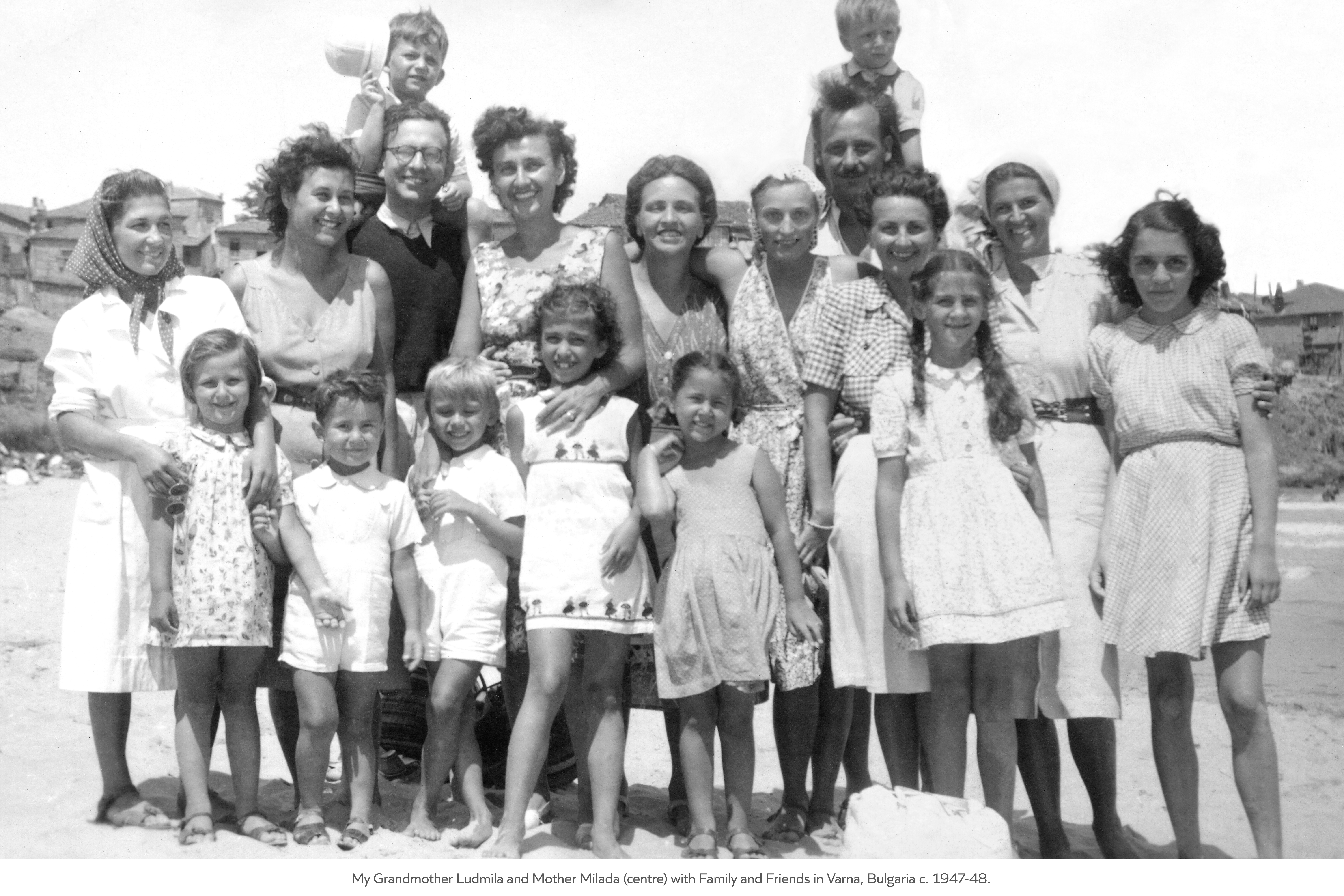
Milada would speak of the Sunday gatherings at the family estate, Agricola, when everyone came together for lunch and the summers spent at the seaside in Varna as happy times. 'The lime trees were beautiful in spring', she would say, 'They had an intense, sweet scent when they blossomed and you could smell them everywhere in Sofia. They made tea from the leaves and the delicate white flowers.' She talked about how her Grandfather Stefan would sing to the workers in the factory, 'He opened the window and sang to them. He would brush his hair back and forth and sing his beloved aria from Pagliacci.' And she would tell me stories about my grandfather, 'Your grandfather used to sing, he had a good voice. He sang with Boris Christoff in the Gusla Choir before Christoff became popular. They were friends and would go for a drink together.' There are many stories Milada passed on to me and these accounts tell of a common thread that connects them all — Love, Family and Freedom.
On the evening of the 23rd of August 1939 an agreement was negotiated between Germany and the soviet union to divide Eastern Europe into spheres of influence. This day is now observed in countries around the world as International Black Ribbon Day in remembrance of the victims of totalitarian and authoritarian regimes. My mother passed on this day, 23rd of August, in 2016. I can't help but to think she was sending a sign.
....
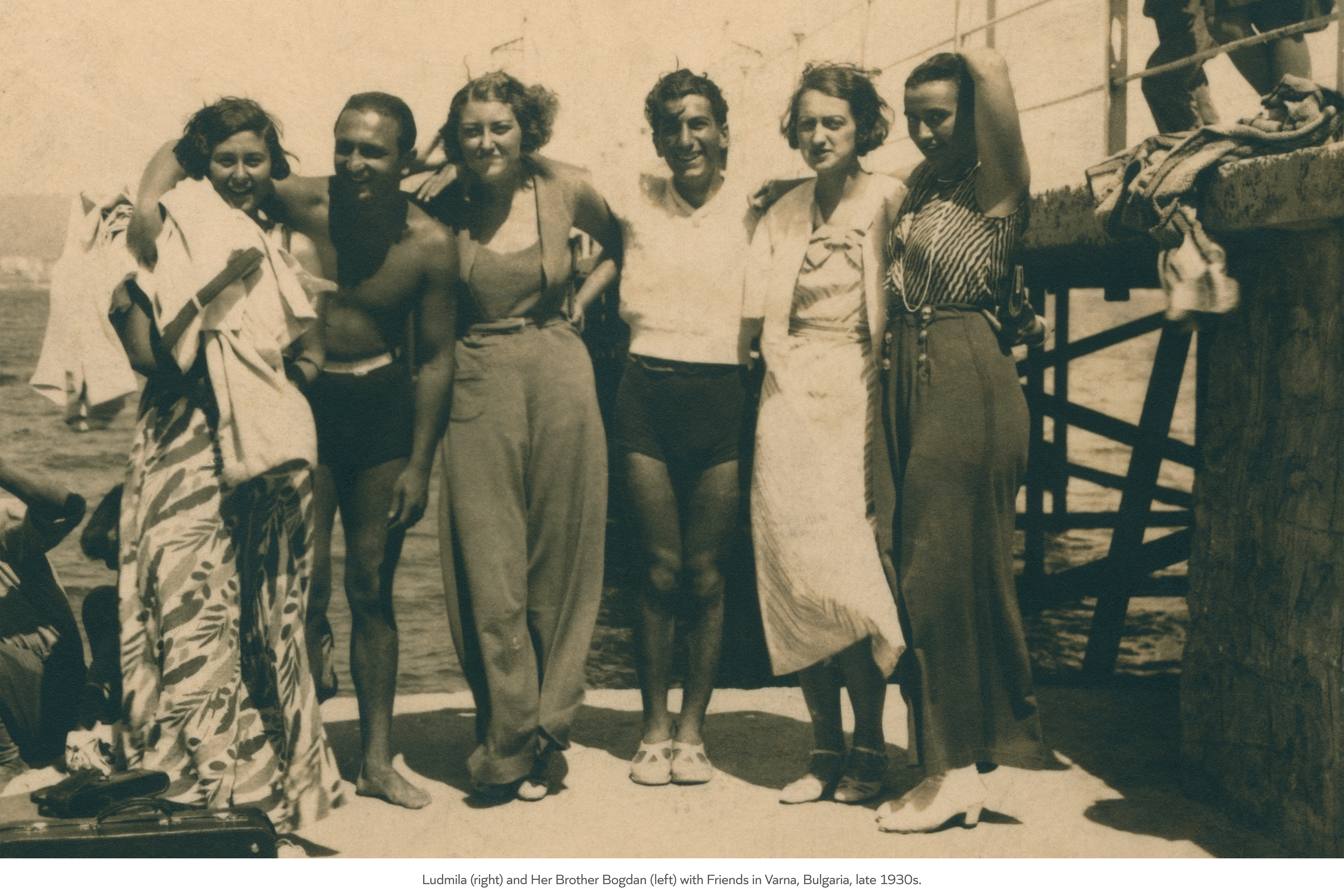
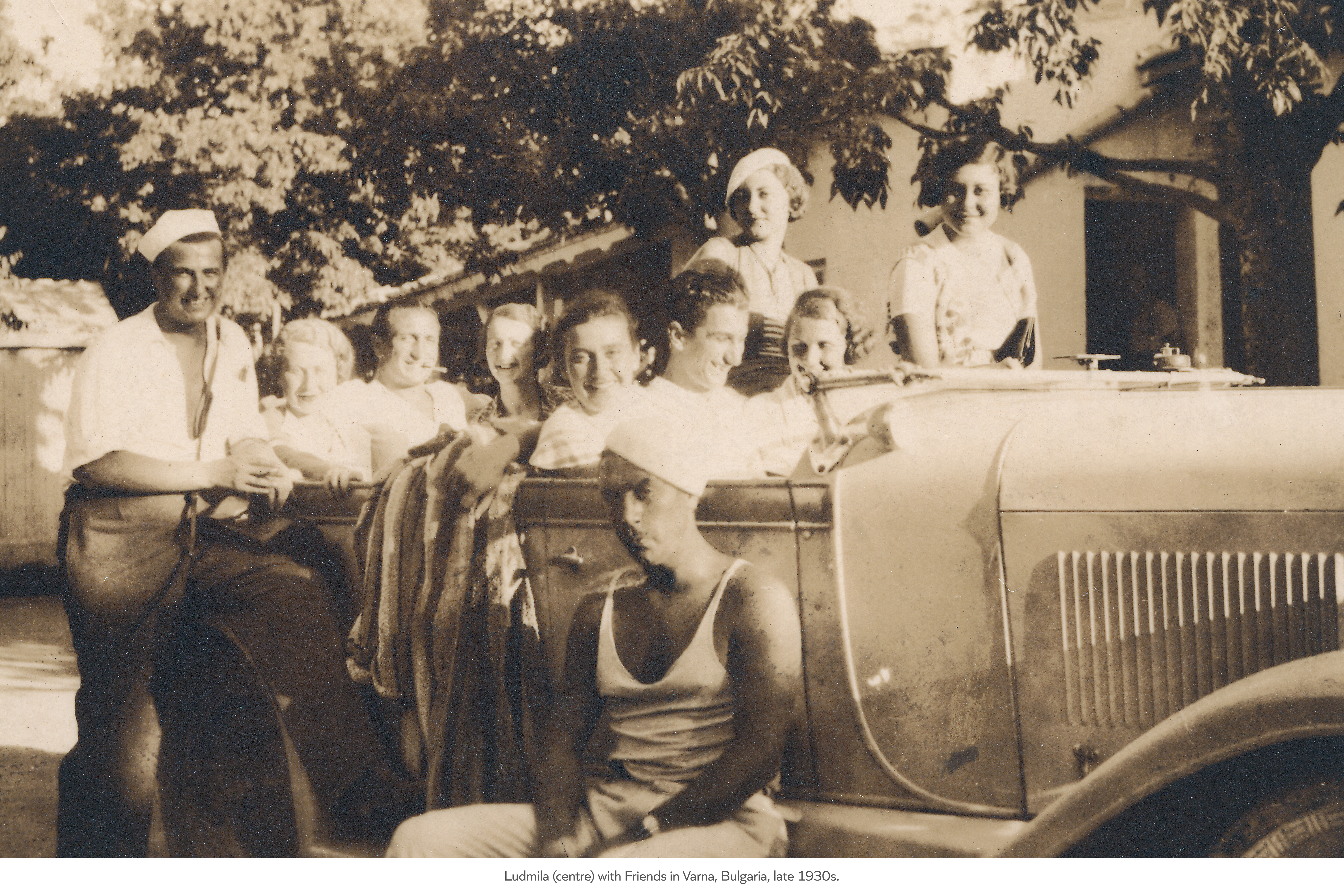
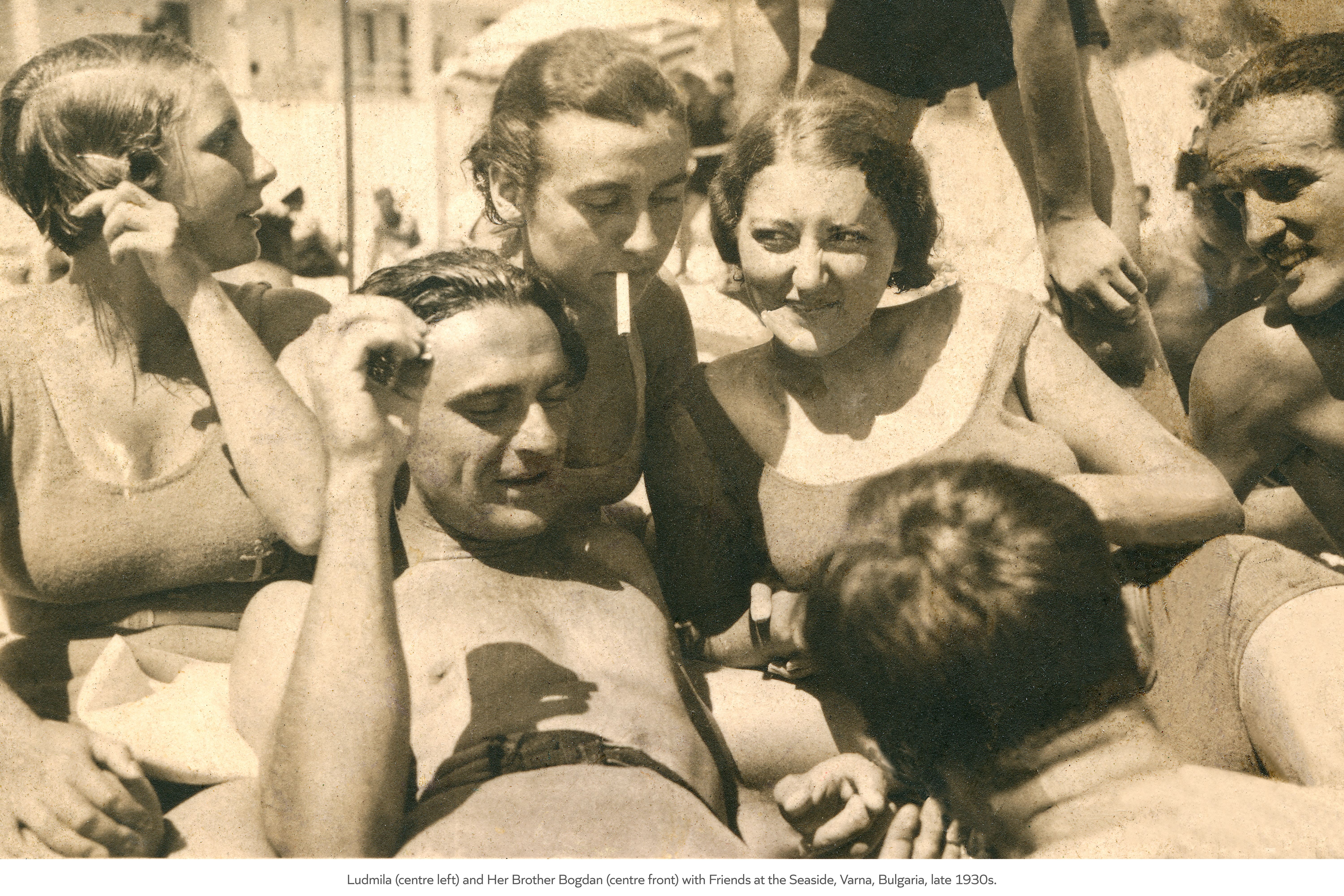
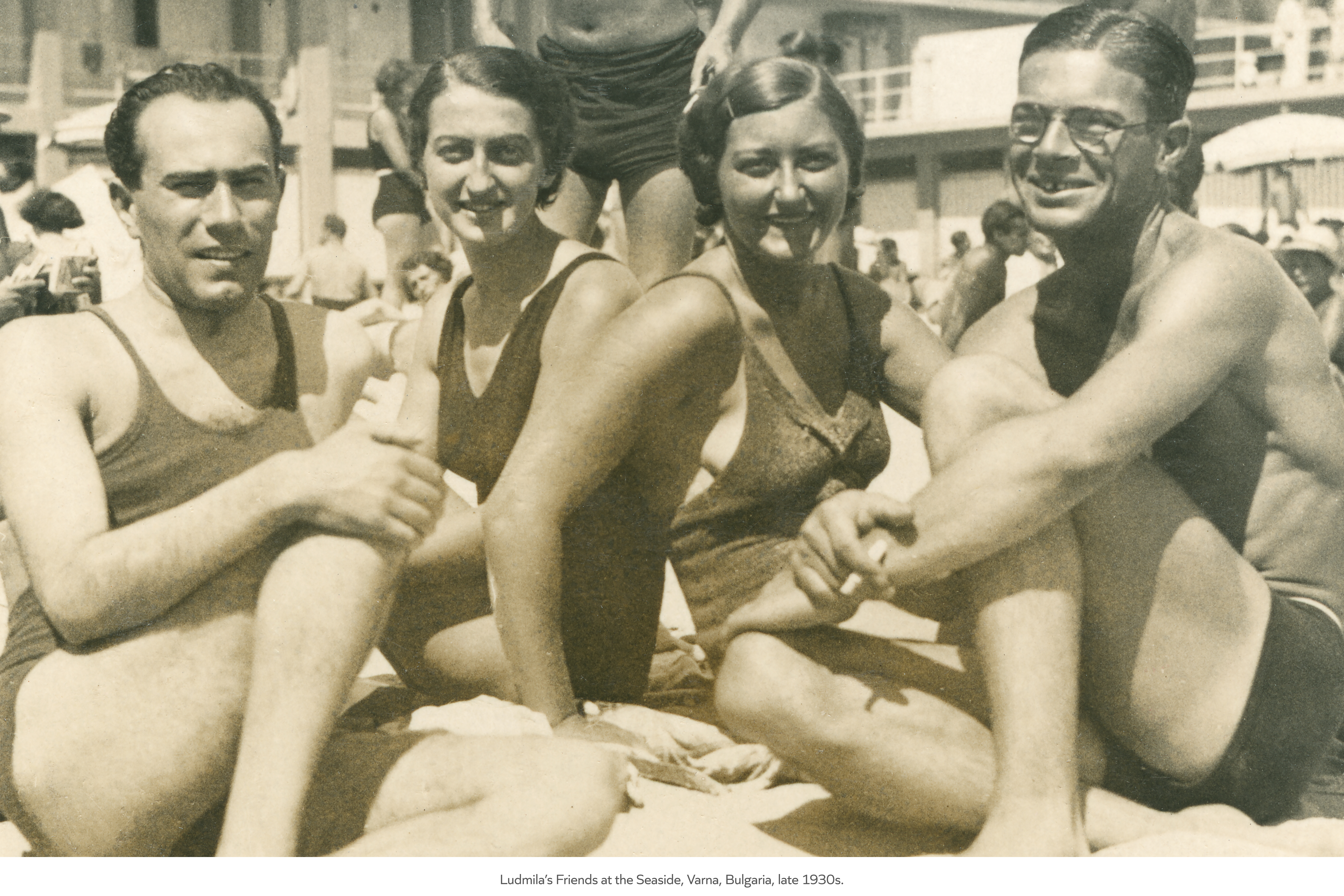
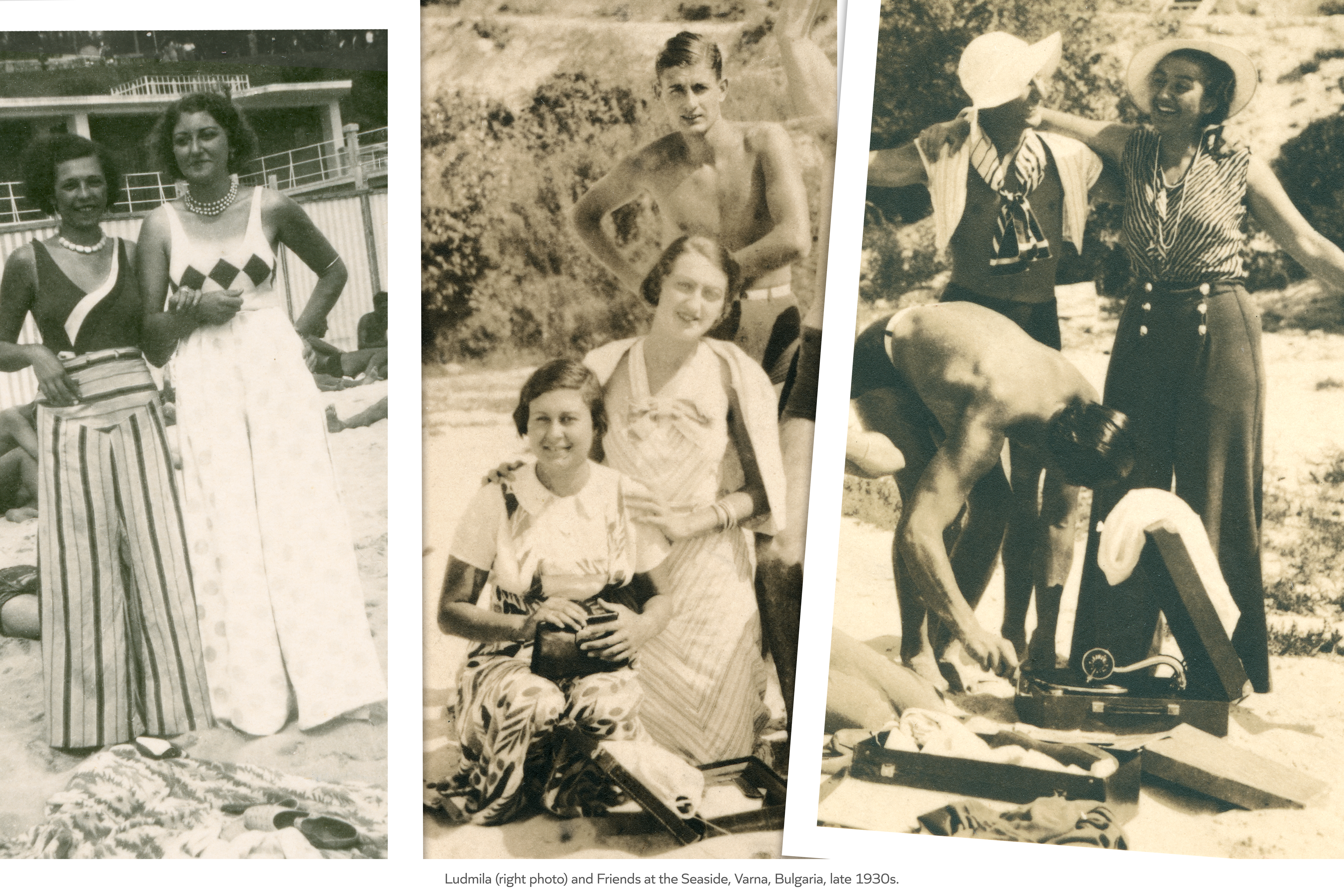
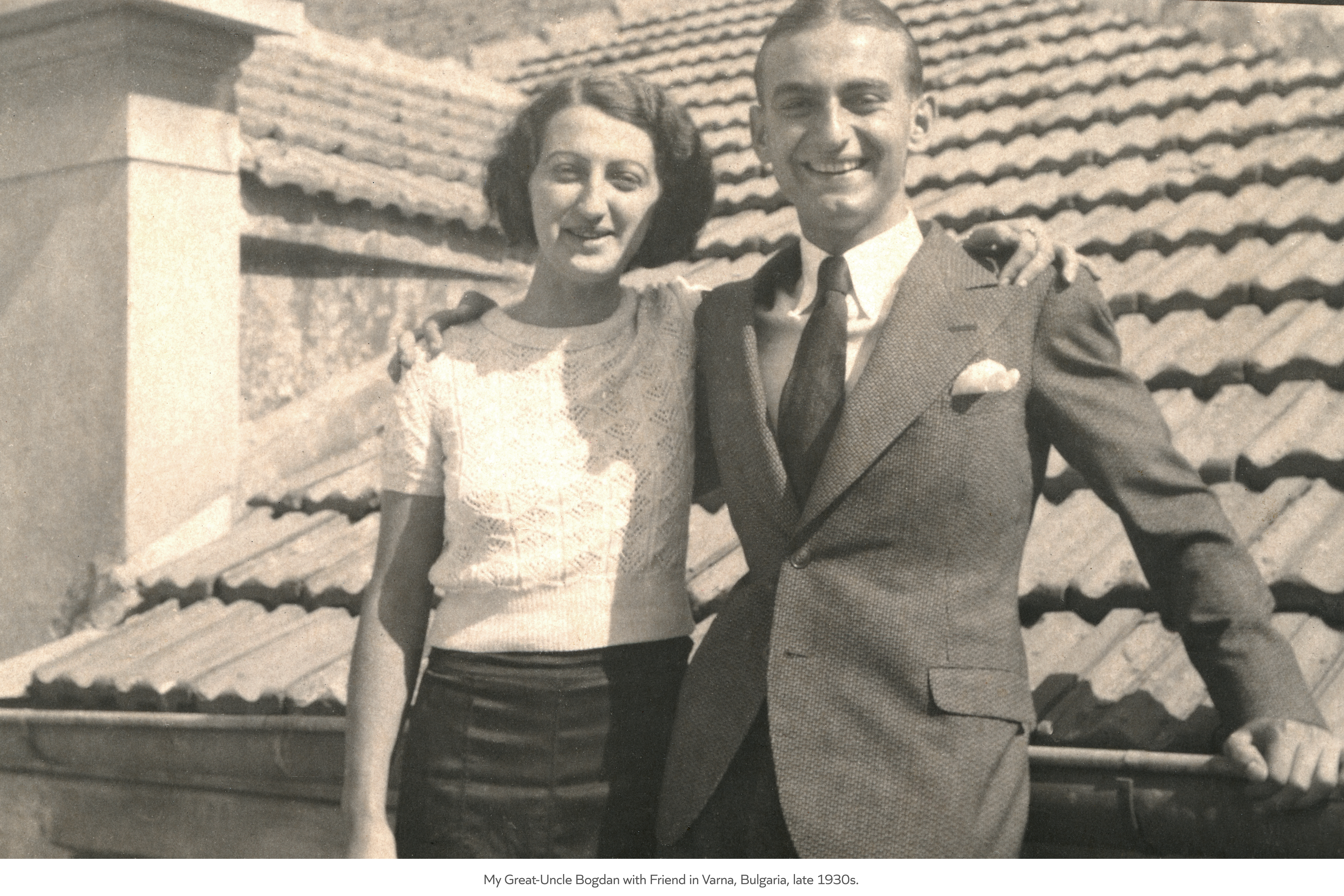
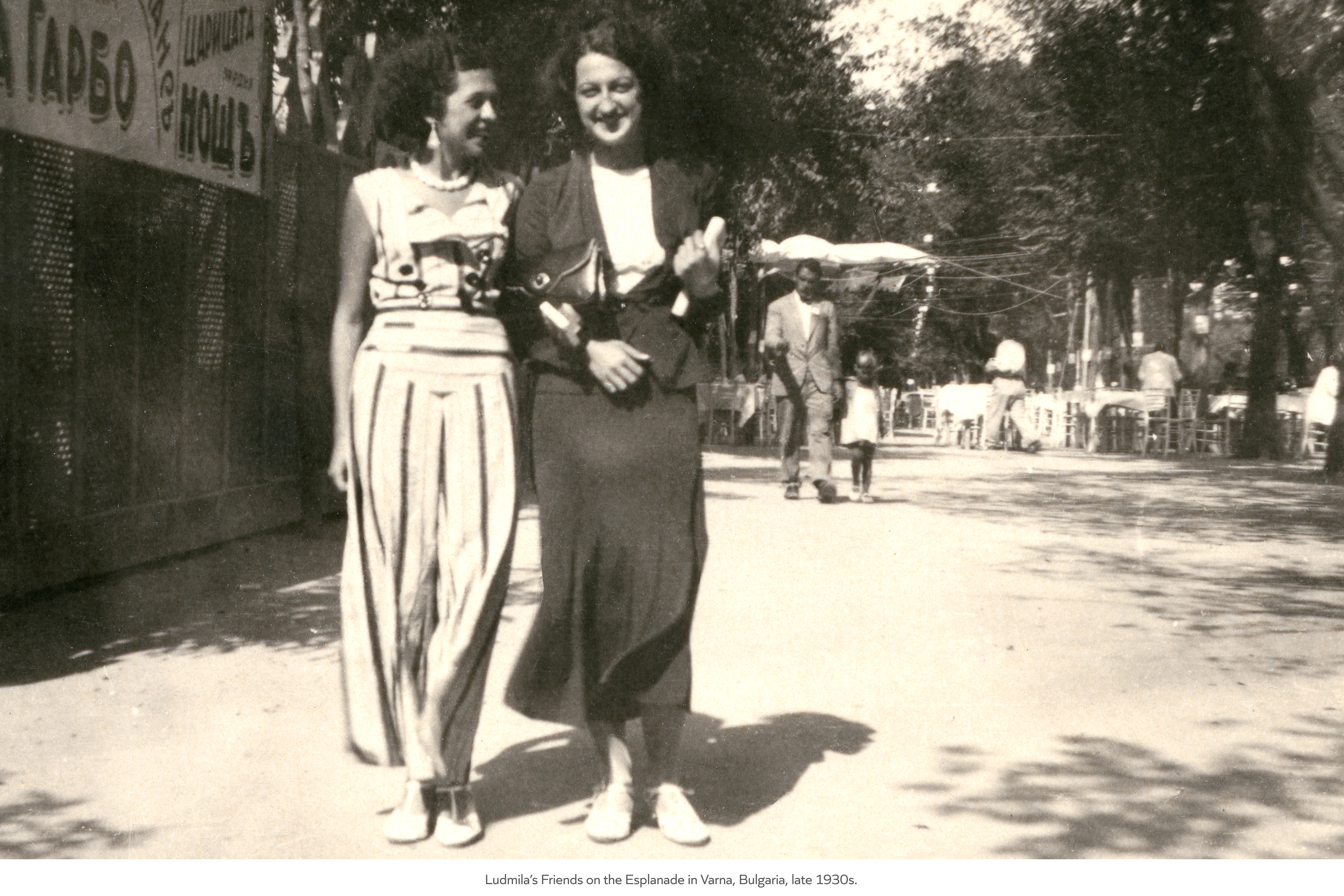
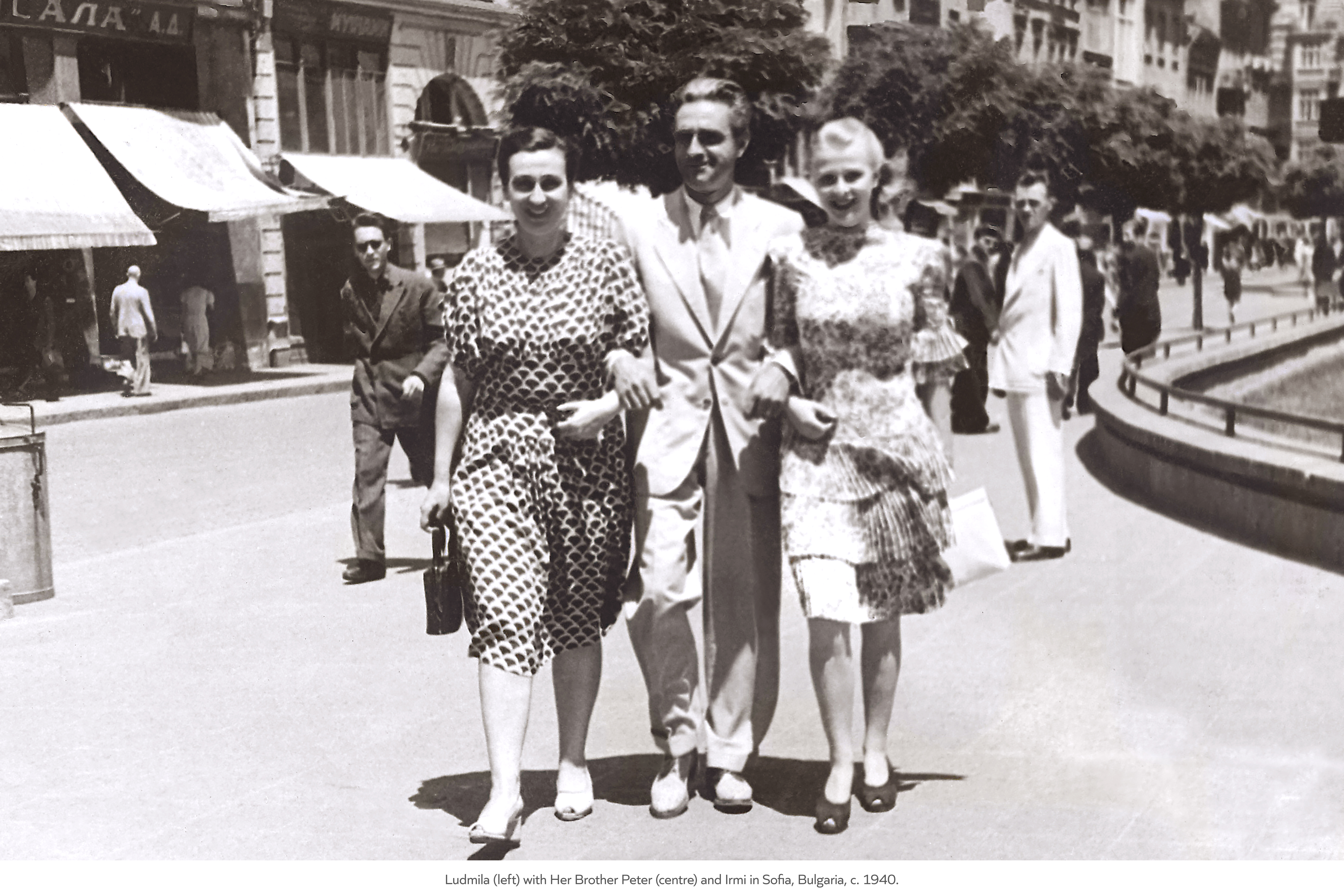
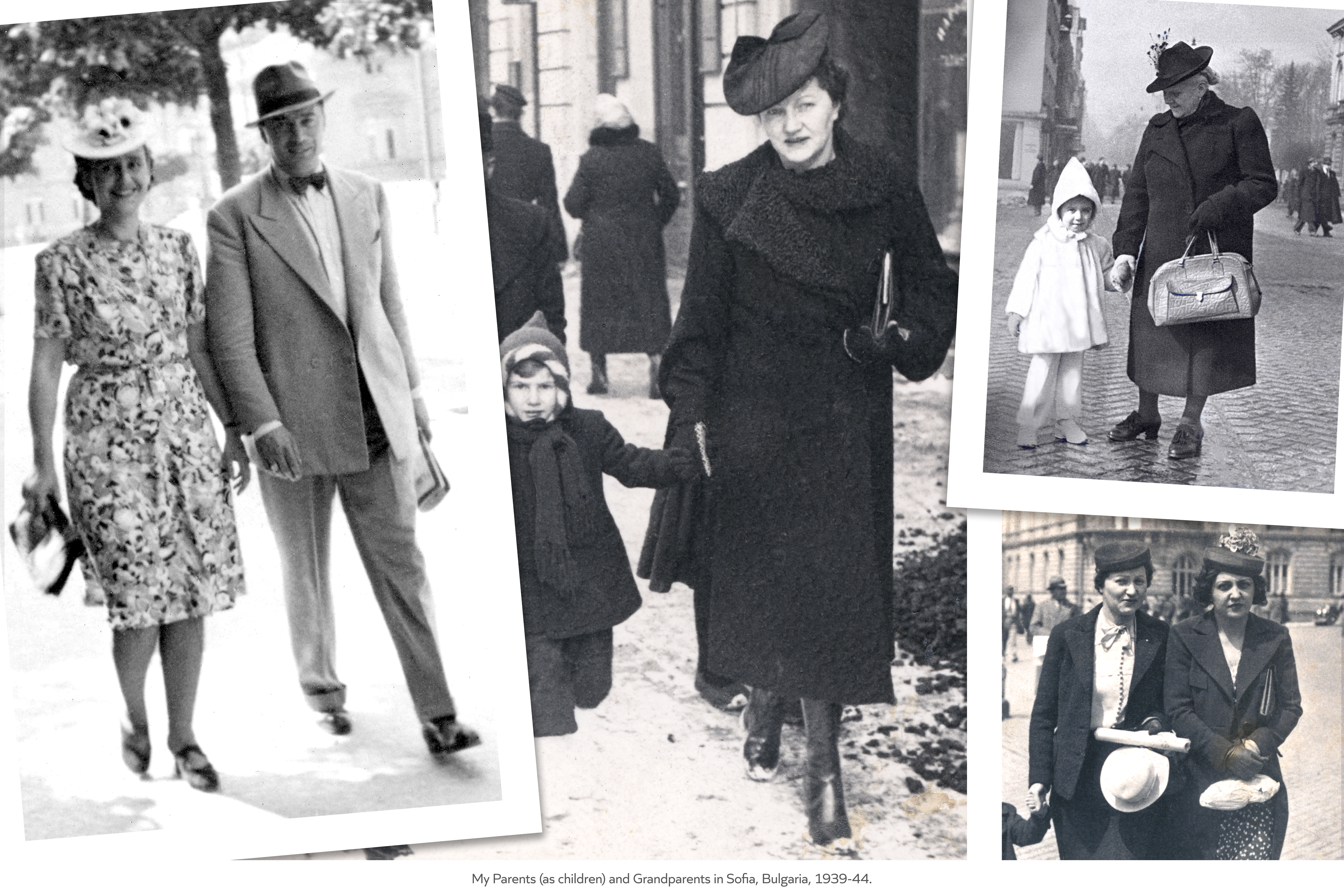
My Grandmother Ludmila had a bottle of Chanel No5 that my mother kept for a long time after the fragrance had been used up. The scent was so remarkably distinct that it remained in my memory along with my mother's stories of how ladies of my grandmother's time dressed in Chanel's creations.
Chanel couture was revolutionising women's fashion in the 1920s and 30s, designing a modern, simpler and functional style while keeping the fluidity and elegance of the garment to show the feminine form. Elaborate floral and geometric prints, intricate embroidery and adornment combined with practical fabrics and decorative accessories defined the fashion of the era. It is historically noted that Coco Chanel's personal relationships had a profound influence on her designs and fashion innovations, laying the foundation for her timeless, enduring and iconic style.
The golden age of American, Italian and French cinema gave to the imagination of those living behind the iron curtin the dream of freedom to one day escape to. From Ava Gardner and Cary Grant to Audrey Hepburn with Gregory Peck in Roman Holiday and Sophia Loren with Marcello Mastroianni in their 'La Dolce Vita' films, these cinema icons were an inspiration for my mother as a young woman growing up in Bulgaria in the 1950s and 60s. My mother would say they found a way to watch these films without getting caught. Milada's favourite book was Gone with the Wind, a poignant reflection of her own life.
When my mother listened to Maria Callas I knew to leave her alone. The raw brilliance of Callas's voice was 'very affecting' and it could 'turn your soul around' as my mother would put it. Milada grew up in an operatic and theatrical atmosphere. Her Mother Ludmila was a coloratura soprano with a beautiful light voice and sang operettas and her Grandfather Stefan was a patron of the arts and culture in Bulgaria at the time. My mother's Aunt, Elena Pipeva, performed with the Bulgarian National Opera in the late 1930s and 40s and my mother would tell me how you could hear Elena's powerful voice everywhere in the house from the upstairs floor when she practiced vocal scales and rehearsed the repertoire for her performances. My mother's voice was in the lower register, rich and complex, and when she sang arias and folk songs, sometimes while cooking in the kitchen or doing daily tasks, I could hear her life in her voice. This quality reminded me of Callas.
The early 1900s when the spirit of creation and innovation in fashion, art, music and industry was at its height would have been an extraordinary time to be alive.
....
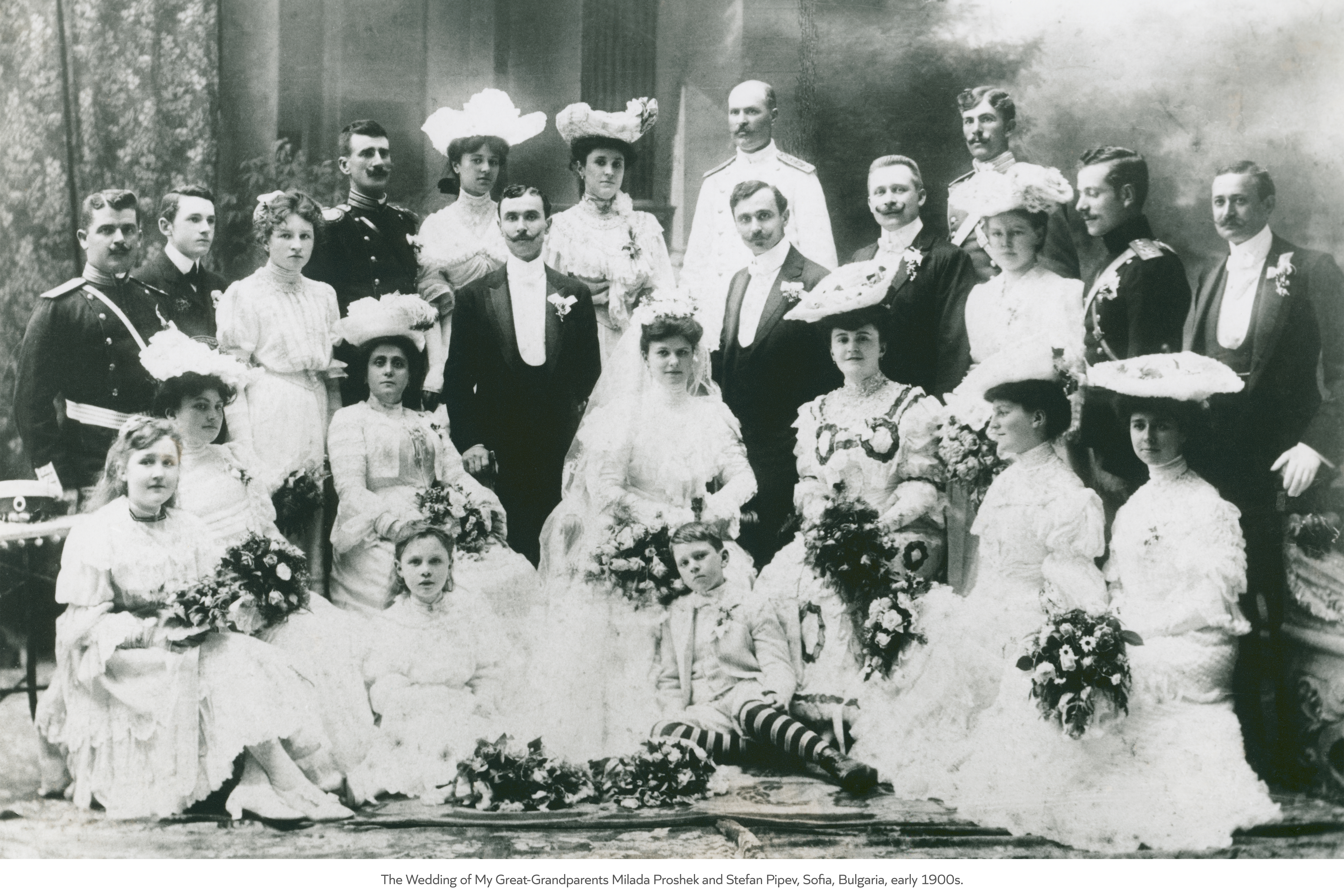
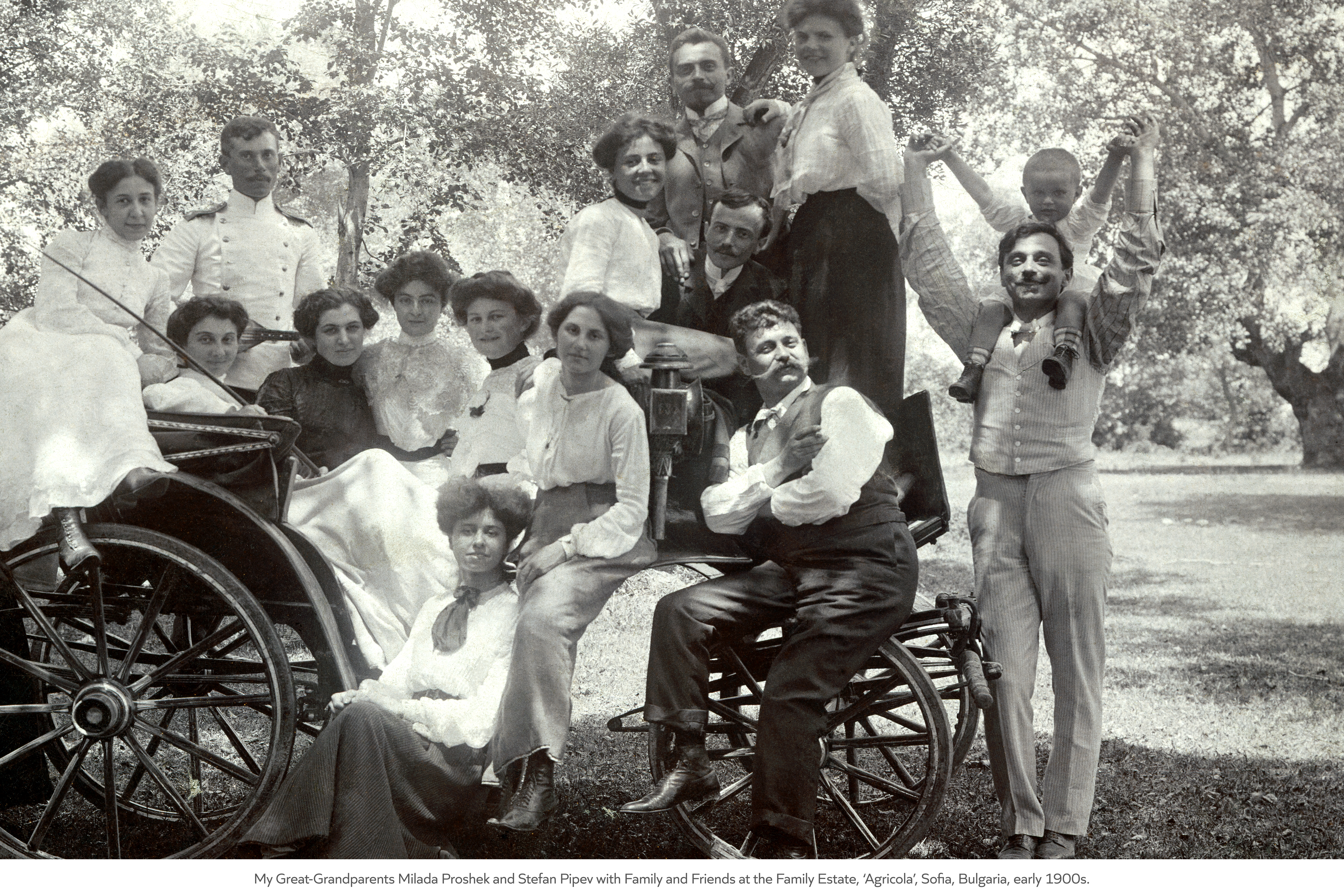
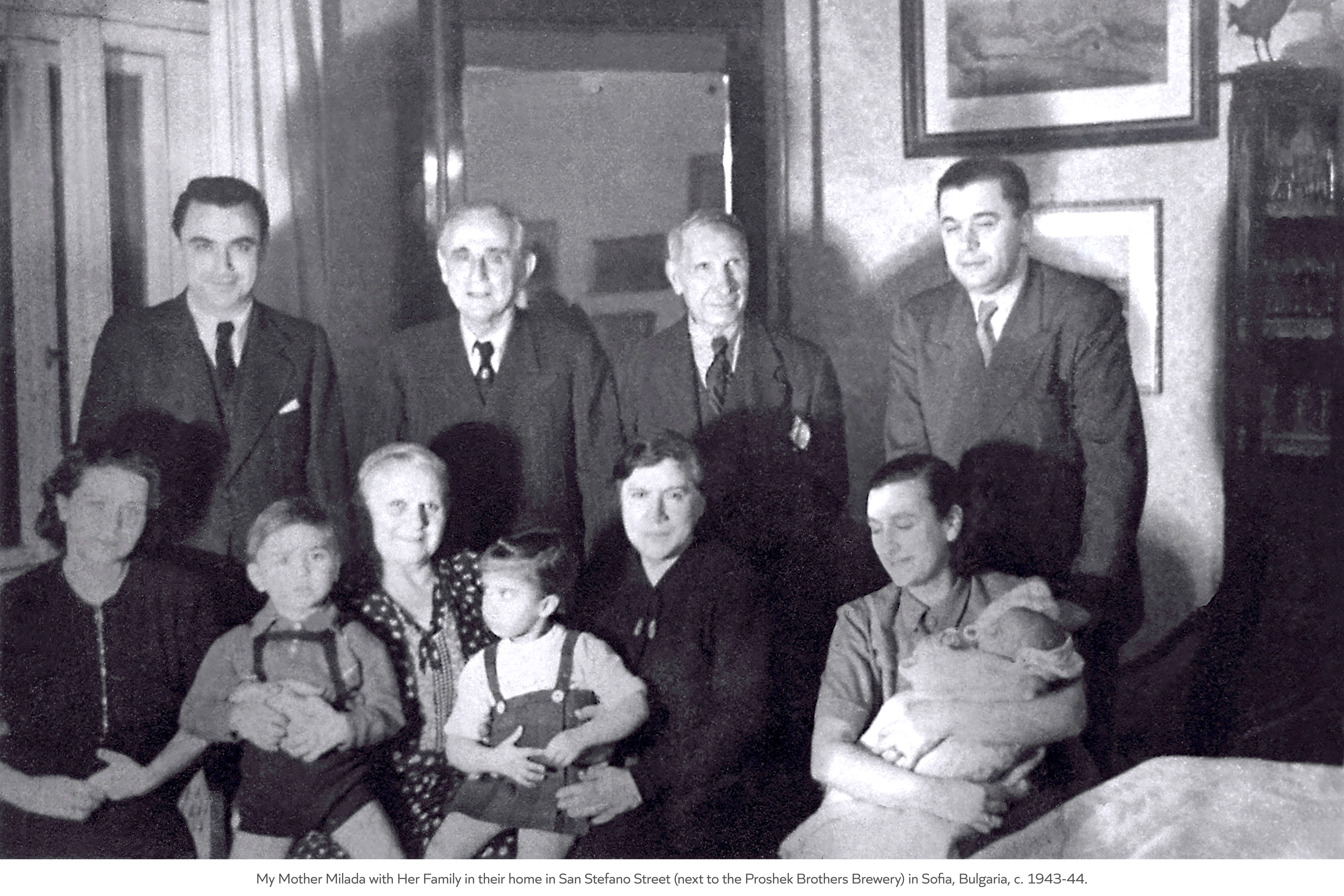
I recall my mother speaking of her grandfather's writing desk where he signed important papers. Milada would sometimes watch him write letters and described how the ink flowed from his fountain pen and marked the paper with his handwriting and he would finish with his 'beautiful signature', she would say. He had a cabinet where he kept the sour cherry chocolates wrapped in delicate paper and placed in a wooden box. Milada and her cousin would find a way to make a few chocolates go missing when their grandfather was not around. A longcase clock with a rhythmic second hand movement stood in the hall and would chime on the hour. In the dining room, a solid mahogany table was extended where everyone would dine together in the evenings — they would later put mattresses on the dining table where my mother and her family would sleep before being moved out. Milada would describe the details of her memories with vivid clarity.
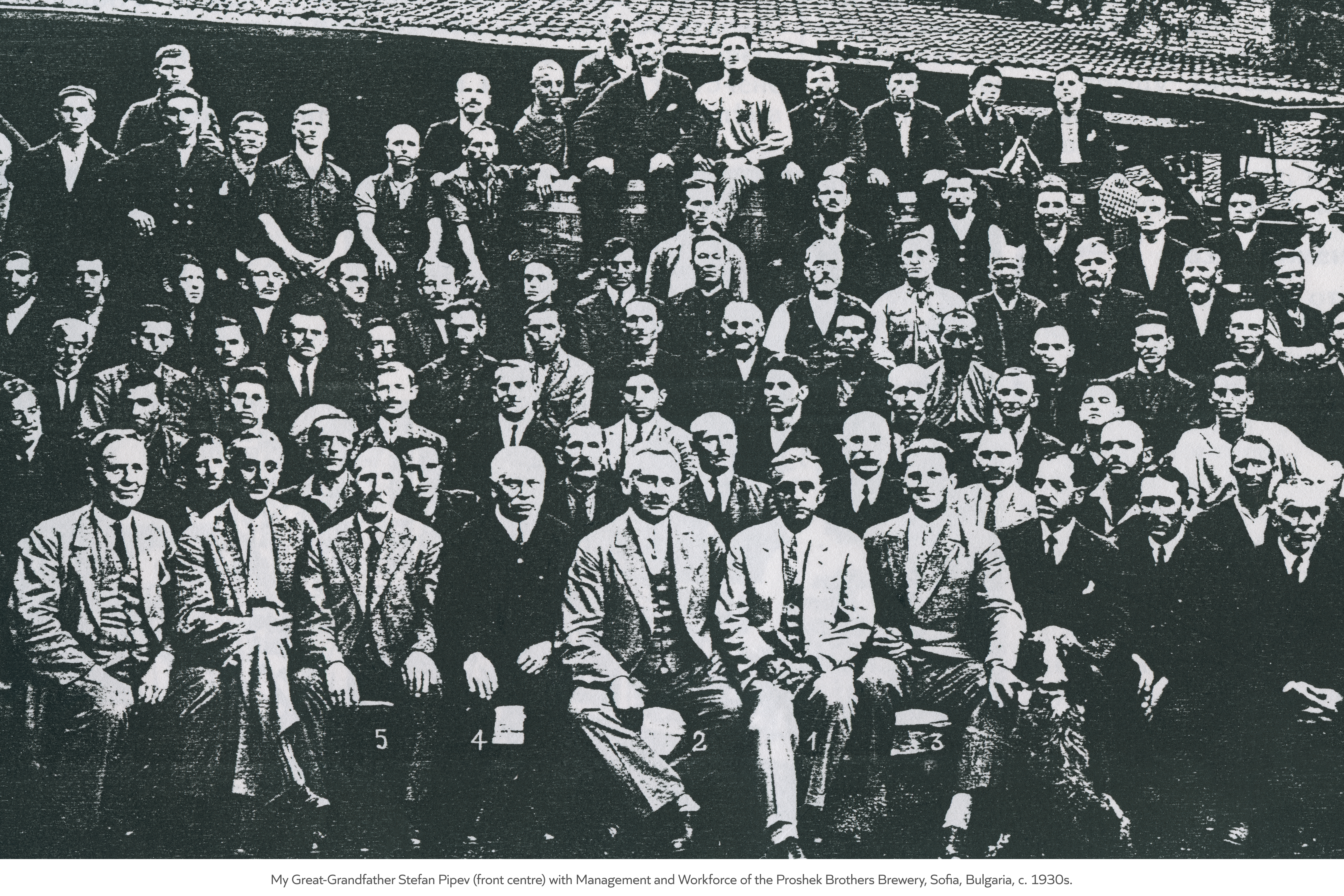
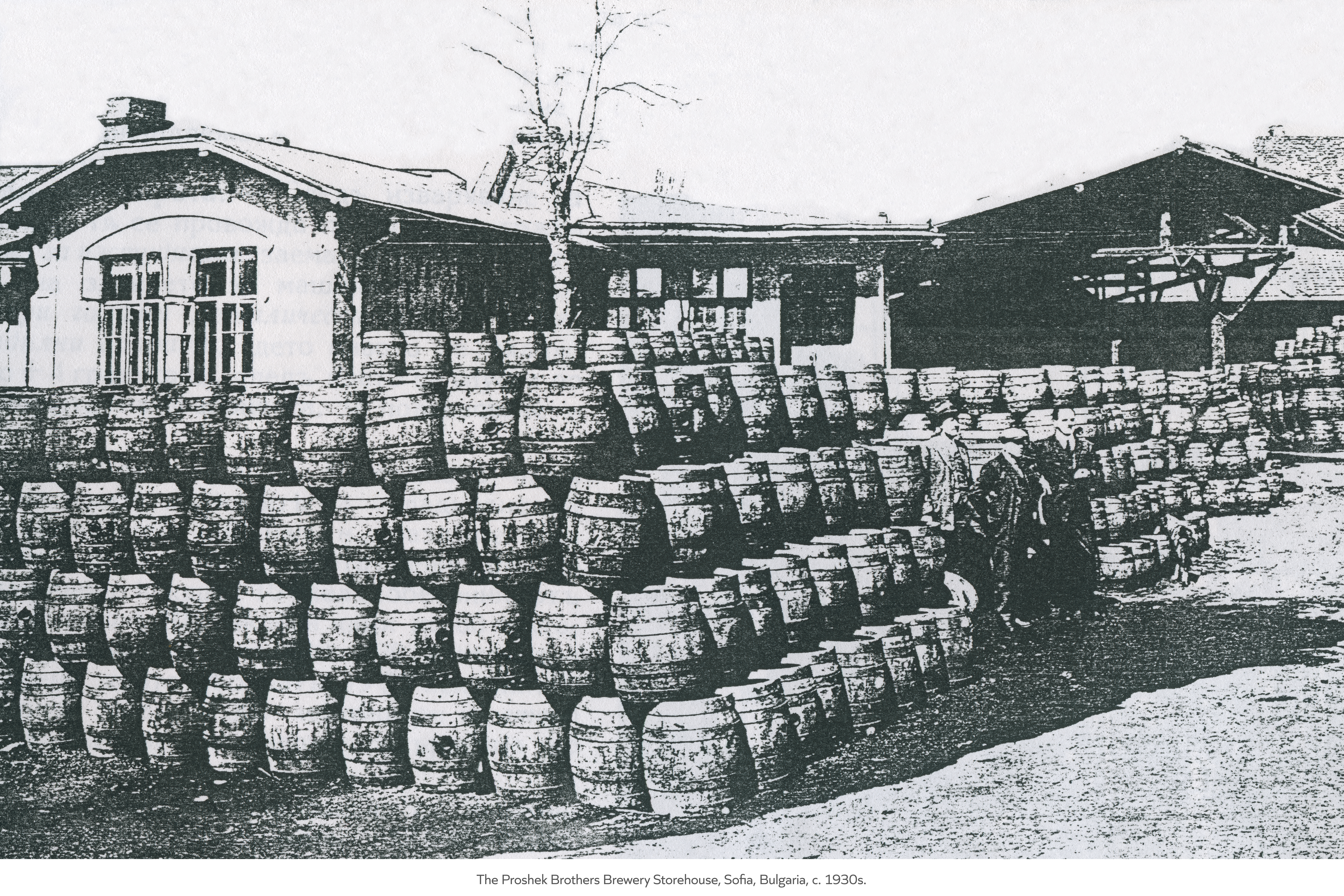
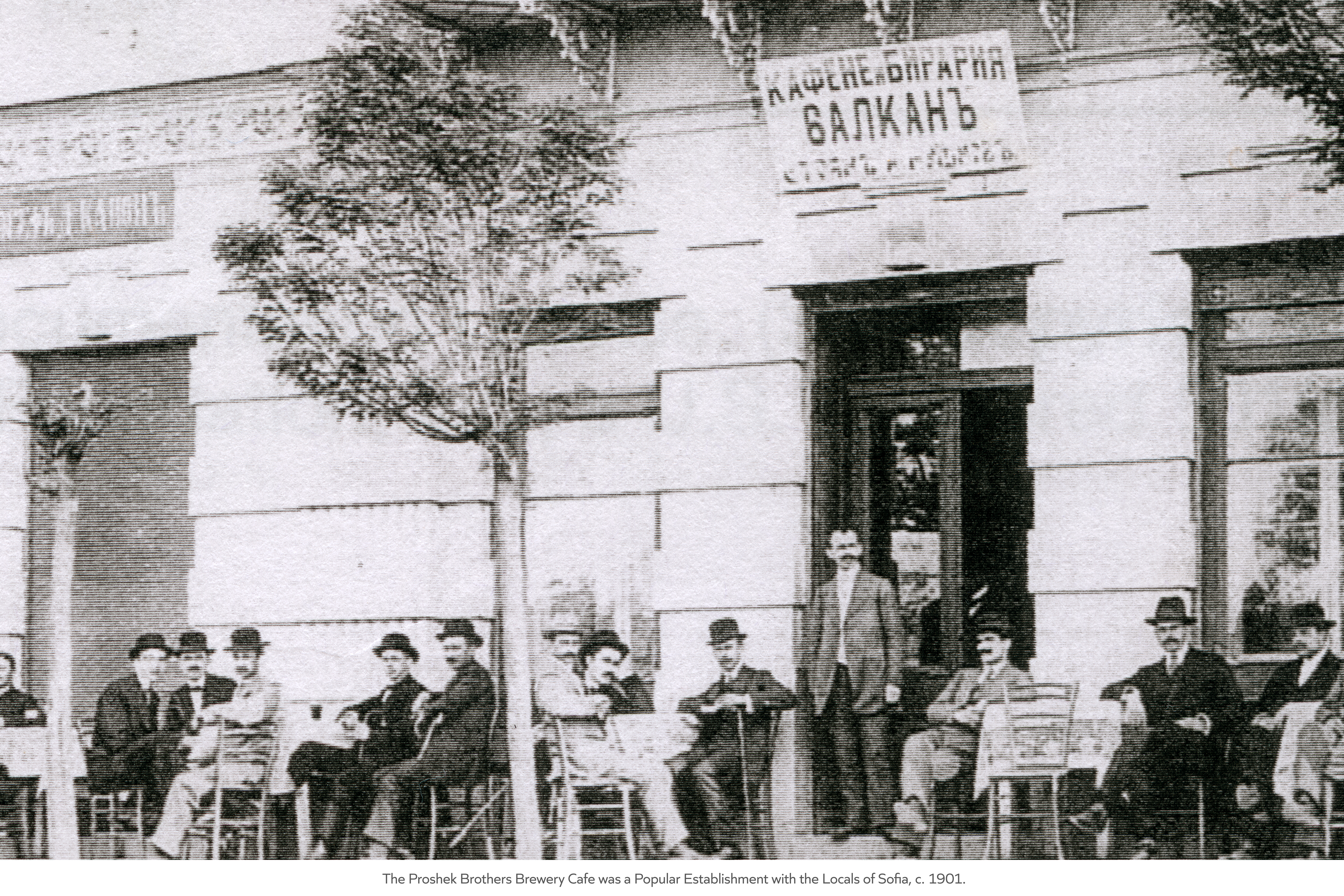
Milada lived with her family in the apartment building next to the brewery. Her Grandfather Stefan Pipev, a Bulgarian industrialist who hailed from Veliko Turnovo with ancestral links to Tsarevets, took over the operations of the Proshek Brothers brewery. My mother spoke of the workforce at the brewery being very fond of him because he was there on the factory floor working with them. Milada would tell me how her grandfather would take her with him and show her how the beer was produced. She would describe the machinery in the factory, the large vats where the beer was matured and then cooled with ice, and the pipeline that delivered live ale from the underground deep cellar known as 'Dalbok Zimnik' to the cafe and bar. Innovative methods were developed to combine traditional Czech brewing with modern operational production. The brewery was the first of its kind to be powered by electricity which also supplied power for the balls at the royal palace. The Proshek Brothers brewery on San Stefano was the primary location but there were other brewery sites that the communists also later nationalised.
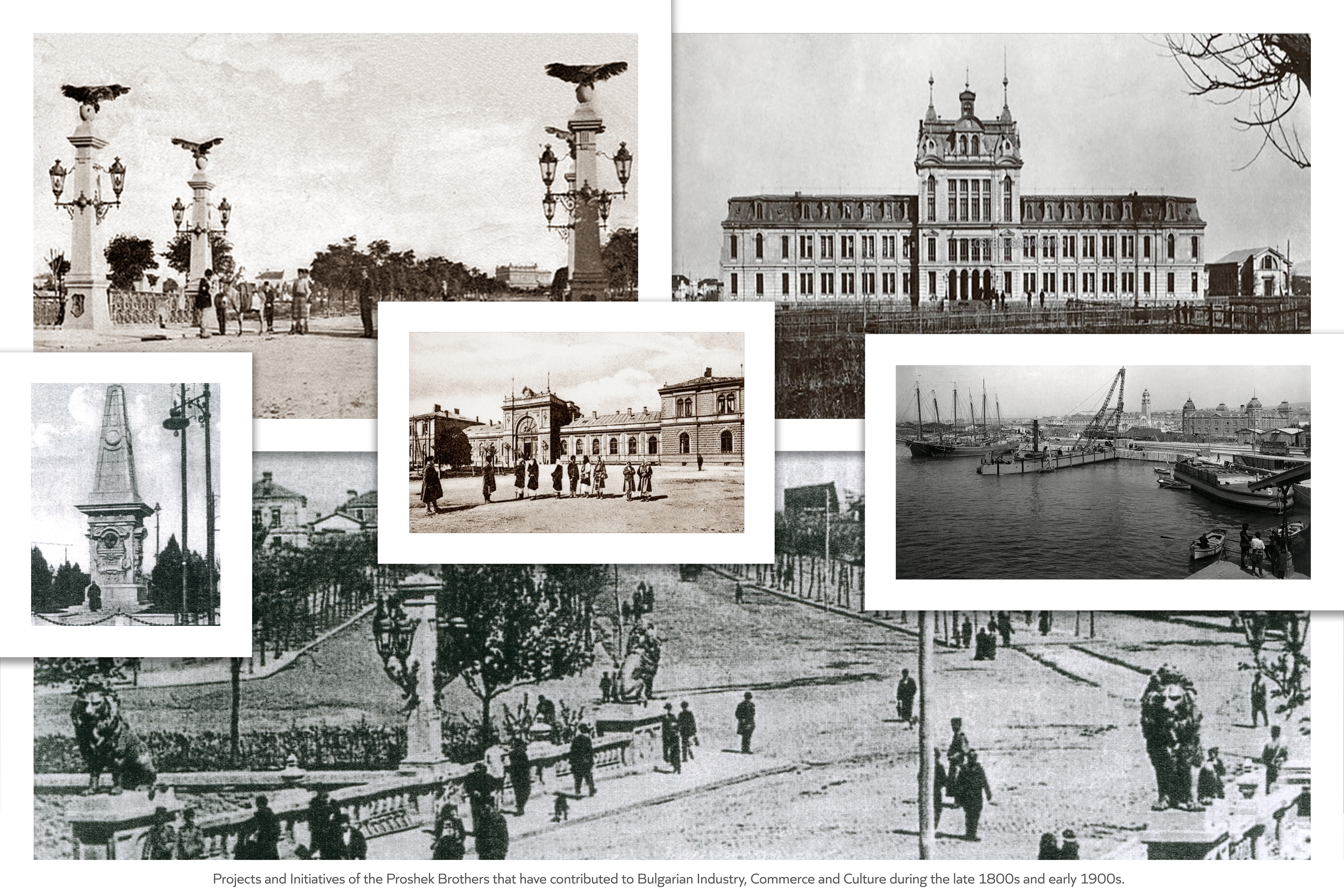
Jiří Proshek and his brother Theodor, my great-great-grandfather, journeyed from Prague to Sofia during the 1870s. They arrived in Sofia at different times and under different circumstances. Jiří met many Bulgarians during his student years in Prague and among them were those fighting for the liberation of Bulgaria from the rule of the Ottomans. After graduating, Jiří left Prague for Constantinople where he was employed as a lead engineer for the Oriental Railway project linking Constantinople to Europe — this infrastructure would later be used for the Orient Express. Jiří's desire to see a free Bulgaria created friendships with notable freedom fighters such as Vasil Levski, for whom Jiří later had the vision for the construction of a monument to honour Levski's memory and which to this day stands in the centre of Sofia.
Theodor Proshek joined his brother Jiří in Sofia and in 1879 they established the Royal Printing House which published newspapers, magazines and journals, the Royal Gazette and government publications. They designed the conceptual plan for the Port of Varna, were involved in the initial urban design of the city of Sofia, founded a number of organisations and societies such as the Bulgarian Engineering and Construction Society and the cultural and scientific society known as Slavyanska Beseda in 1880, contributed to the development of the Bulgarian National Assembly and designed and built Sofia's historical landmarks, Lions Bridge and Eagles Bridge. The Proshek Brothers Brewery in San Stefano opened its doors in 1884 and became the royal brewer — the quality of the ale and the innovative methods developed to produce, store and dispense the product were exceptional. The brothers changed their names from Jiří and Theodor to Georgi and Bogdan adopting Bulgarian christian names to show their connection and love of their new homeland.
According to my mother's accounts, her Grandfather Stefan was involved in the formation of the Chamber of Commerce, the Gusla Choir, and supported and funded the burgeoning arts and culture scene. Milada told me that my Grandmother Ludmila's portrait hung in the national gallery and was taken after soviet occupation. A remarkable legacy that shaped a nation and its people.
....
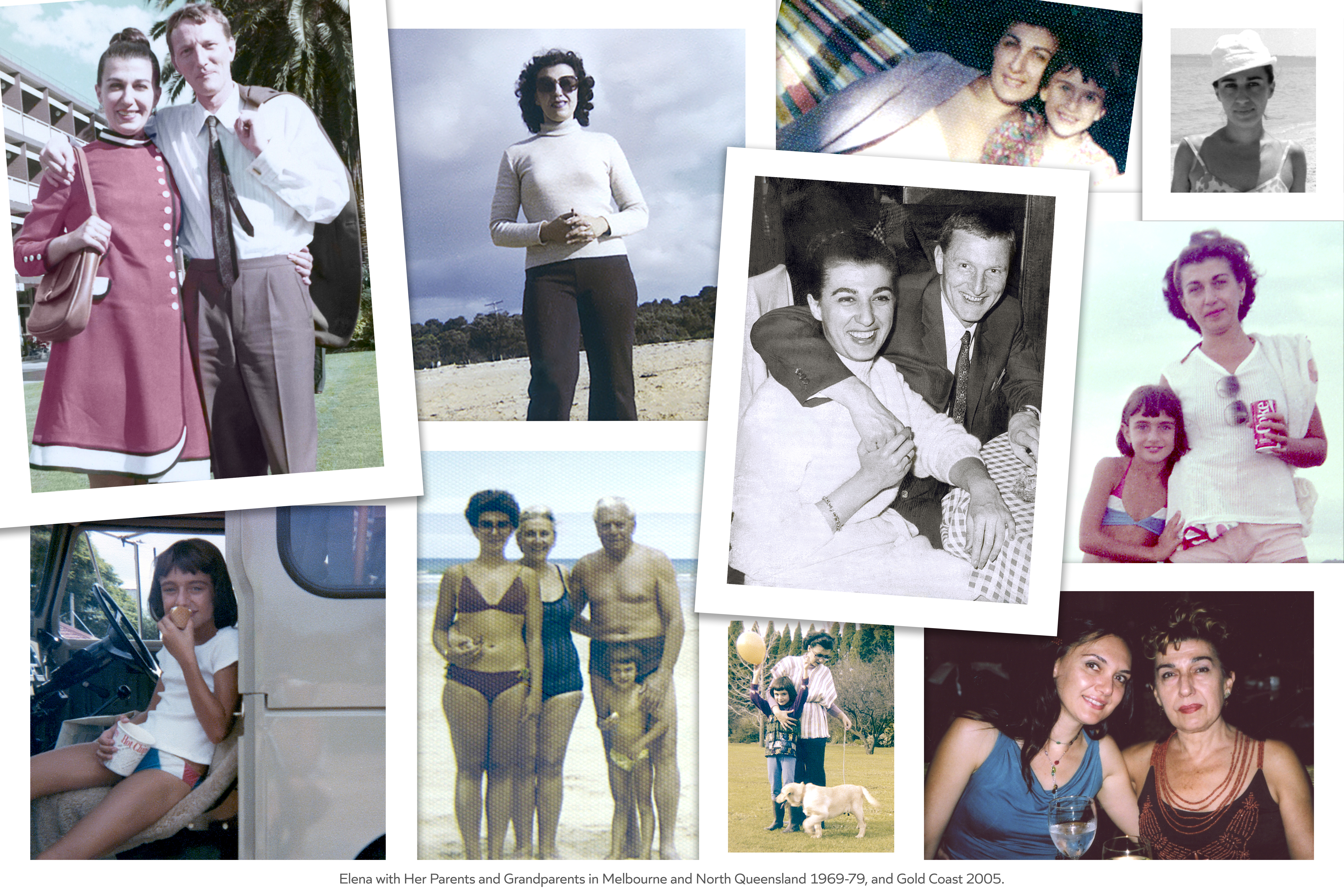
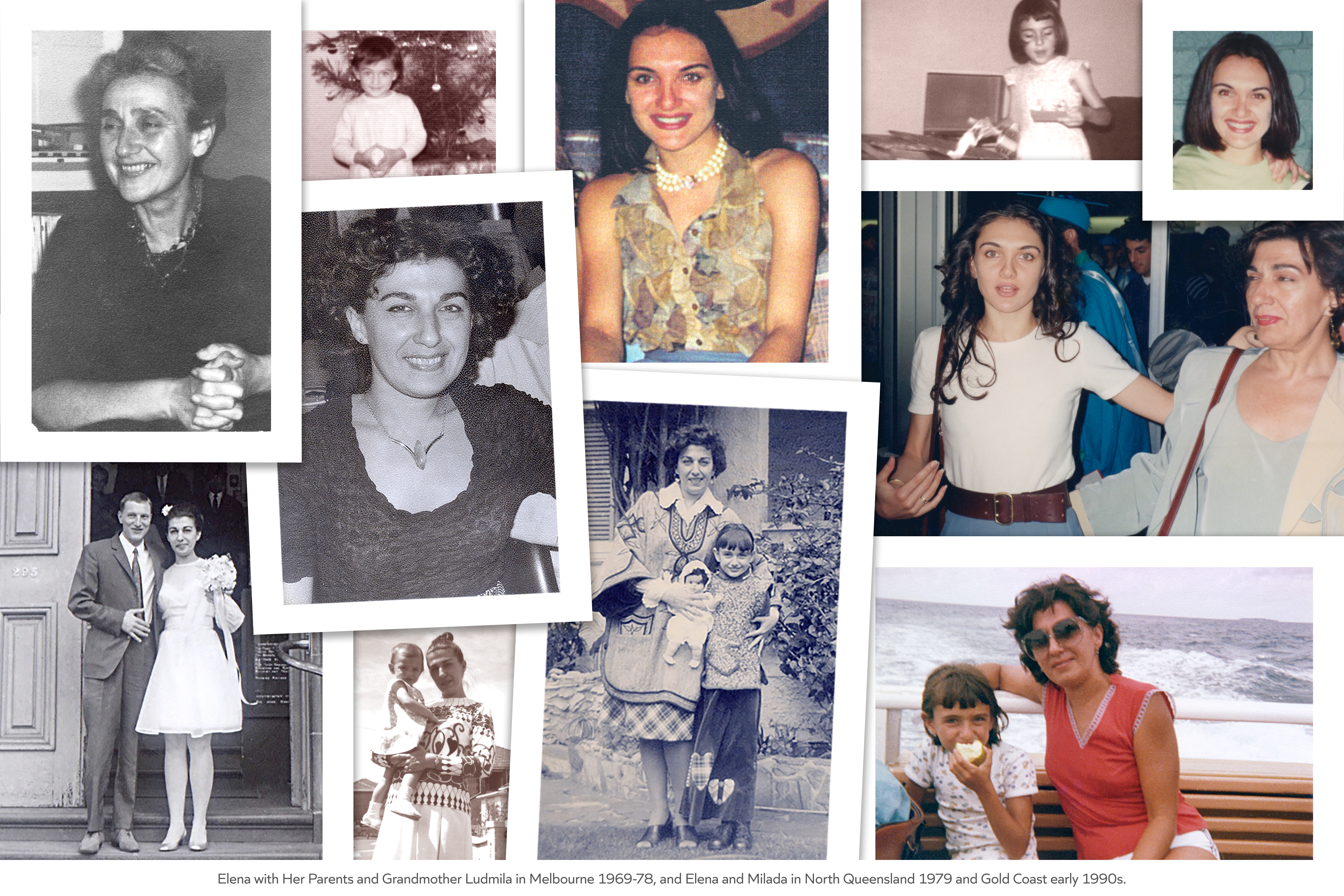
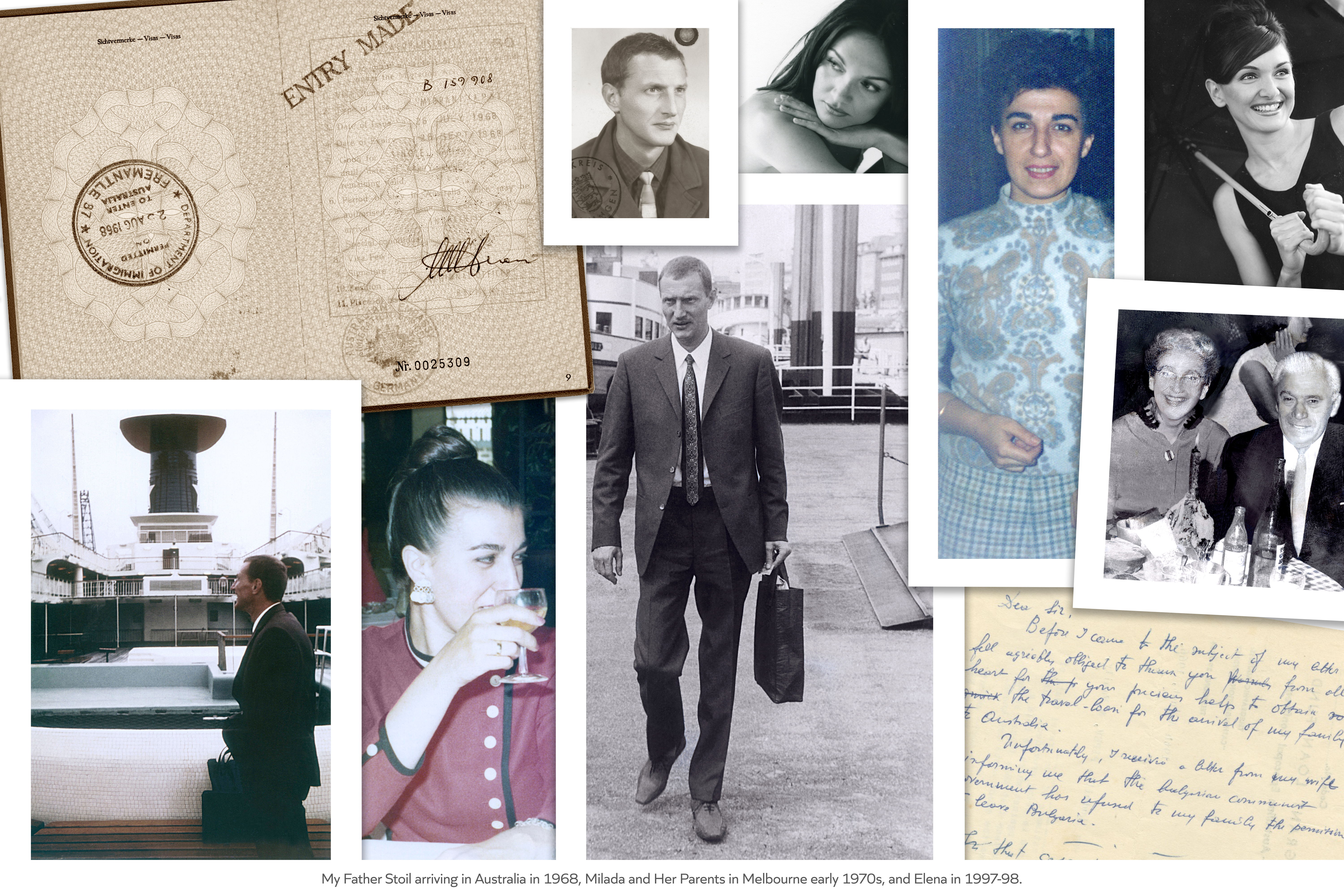
My parents were destined to meet regardless of where in the world that would be. They lived in Sofia among similar circles of family and friends but had never met. My father planned his escape but did not tell anyone who didn't need to know to protect them. Some members of his family had already done the dash and others had yet to. He took a train to the Yugoslavian border, switched passports with a foreign national in Belgrade and then travelled through Austria on to West Germany. He later sailed on the Angelina Lauro in 1968 from Bremerhaven to Freemantle. My father said you had to wait many months for the United States, Canada was too cold and Australia seemed like a pacific paradise warm and full of sunshine. I asked my father once how he was able to leave everyone behind and he said it was the most difficult choice he made but couldn't imagine a life without freedom and living under the regime that 'destroyed everything'.
My grandfather arrived in Australia in the early 1950s and was based in Adelaide and later at the Woomera Rocket Range in South Australia. He was headed towards the United States as he had colleagues and friends there but decided to remain in Australia. Permission was finally granted in 1967 for my mother and grandmother to leave Bulgaria and travel to Australia but the communist government would not allow my mother's brother to leave and so they were permanently separated. From Sofia, my mother and grandmother travelled to Rome and stayed with my grandmother's cousin who had a beautiful apartment in the centre of the city. My mother would describe leaving her family and Europe as immensely bittersweet, 'When I left, something tore inside of me. I knew that my life here was finished and I would never see most of these people again.' When they arrived in Perth, Milada said she stepped off the plane, put her feet on the ground and said to herself, 'Where am I?'.
Milada and Ludmila joined my grandfather on the Woomera base and lived there before moving to Melbourne in 1968. The base attracted scientists, engineers, professionals and support staff from the international community who were working on the ELDO space launch project. Milada described the outback desert town as a self-contained hub of activity with facilities and amenities providing for all the needs of its personnel, from accommodation, restaurants and food stores to a cinema complex and recreation centres. My mother said on a few occasions she took trips out to the test area near the lake with the research group. She said the Australian desert heat, red earth landscape and spectacular sunsets were unlike anything she had experienced before.
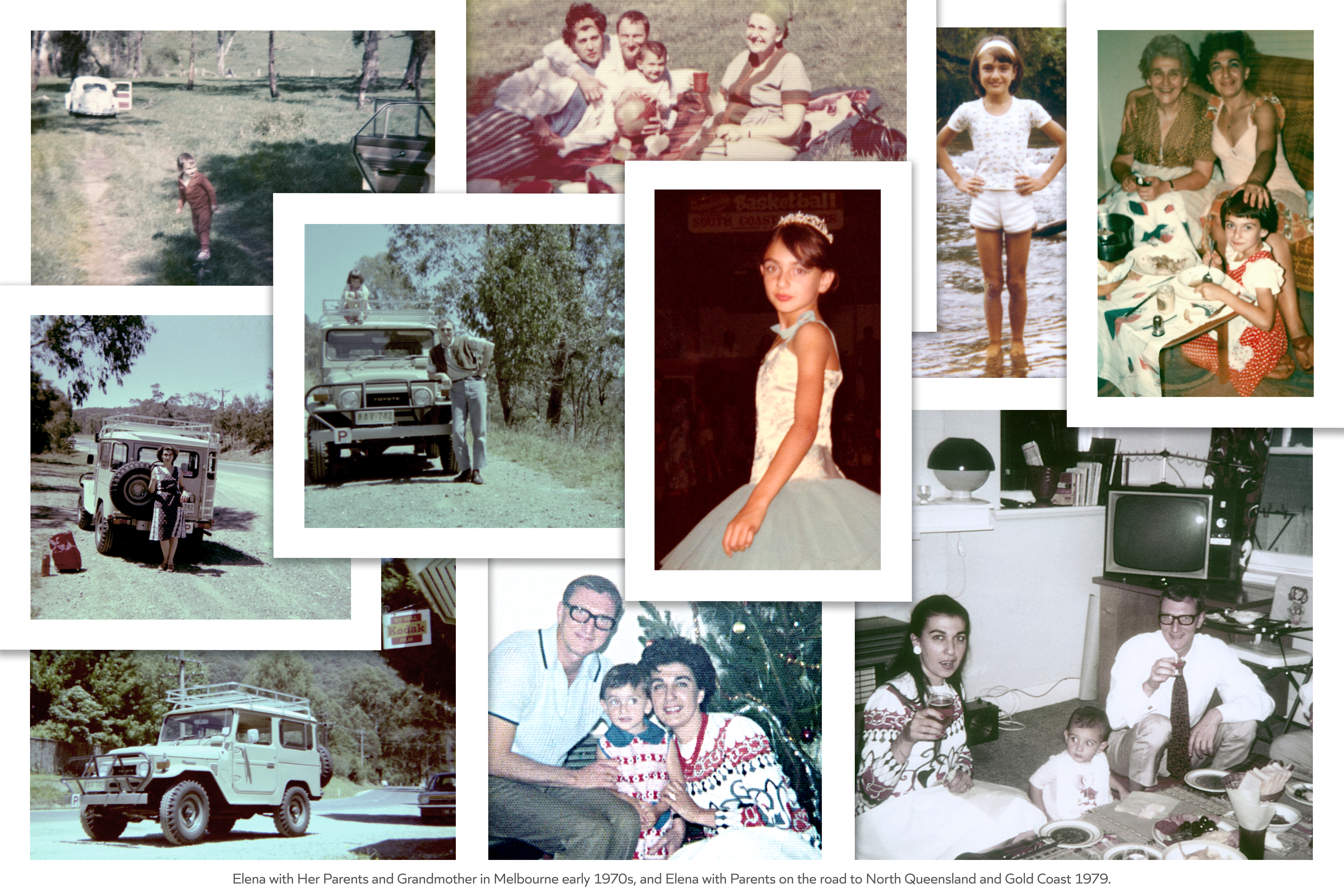
My father stayed at the migrant camp in Bonegilla before finding accommodation and a job as a waiter at the Bulgarian club in Melbourne and soon after began work at CSIRO as an engineer in one of the research teams. On a particular evening, it happened that my mother went to the club with her parents and some friends and they met. Melbourne was a melting pot of immigrants in the 1970s and they were opening bars and cafes everywhere. My parents would frequent a grill bar run by 'The Serb' where you could get a delicious charcoal grill, quality beer and listen to Julio Iglesias or the Jewish quarter in Acland Street, St Kilda for coffee and sweets. We had a few Volkswagen Beetles, different colours, that were exchanged for a Land Cruiser and a caravan. In the spirit of adventure, my parents decided to take a road trip in 1979 up the east coast of Australia all the way to Port Douglas and upon our return we stopped on the Gold Coast and stayed. The Bulgarian communist government was keeping tabs on our family through their network of spies and I am uncertain if this was a factor in my parents' decision to leave Melbourne and not return. Regardless, the move changed the course of our lives.
I wonder if our lives are a combination of destiny, fate and choice all working together at the same time. I am not sure if I could have lived through what my family survived but they had each other and that can make all the difference. I carry my strength differently to my mother and grandmother but it's still the same type of will and determination. This strength has helped me to begin writing our story. Sometimes we forget that the most important things in life have been with us all along.
....